
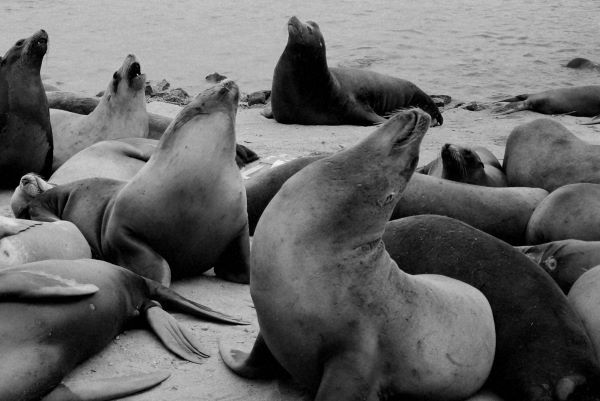
New research in marine mammals suggests the virus is increasingly adapting to mammalian hosts. The H5N1 bird flu virus responsible for the current U.S. outbreak in dairy cows is increasingly adapting to spread in mammals, new research in marine mammals suggests. Some experts worry this development could presage eventual human-to-human transmission. In a preprint study that has not yet been peer-reviewed, researchers from the University of California, Davis and the National Institute of Agricultural Technology (INTA) in Argentina found evidence of the virus being spread among elephant seals and other marine mammals. They also found versions of the virus that could both spread between mammals and infect birds. “The implication that H5N1 viruses are becoming more evolutionary flexible and adapting to mammals in new ways could have global consequences for wildlife, humans, and/or livestock,” the researchers wrote in the new study, which was posted to the preprint database bioRxiv June 1. This version of...
🔒 Premium Content - For Free
Unlock this content by becoming a Global Health Press subscriber. Join for exclusive articles, expert research, and valuable insights!