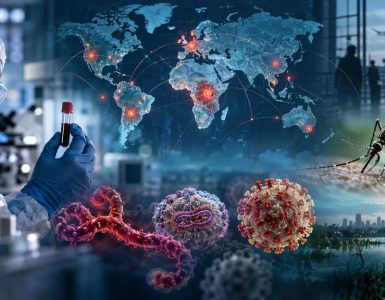

Get ready to learn more Greek letters. Scientists warn that omicron’s whirlwind advance practically ensures it won’t be the last version of the coronavirus to worry the world. Every infection provides a chance for the virus to mutate, and omicron has an edge over its predecessors: It spreads way faster despite emerging on a planet with a stronger patchwork of immunity from vaccines and prior illness. That means more people in whom the virus can further evolve. Experts don’t know what the next variants will look like or how they might shape the pandemic, but they say there’s no guarantee the sequels of omicron will cause milder illness or that existing vaccines will work against them. They urge wider vaccination now, while today’s shots still work. “The faster omicron spreads, the more opportunities there are for mutation, potentially leading to more variants,” Leonardo Martinez, an infectious disease epidemiologist at Boston University, said. Since it emerged...
🔒 Premium Content - For Free
Unlock this content by becoming a Global Health Press subscriber. Join for exclusive articles, expert research, and valuable insights!