
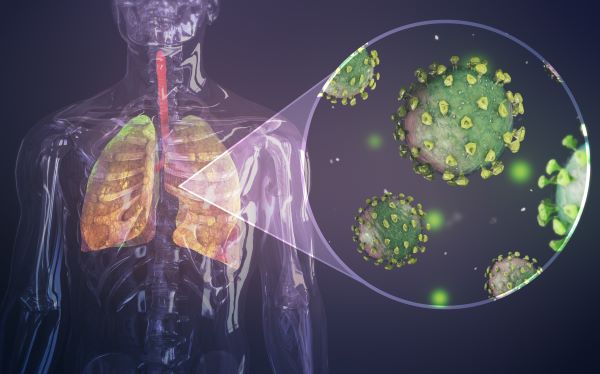
Scientists have long thought of the fluid-filled sac around our lungs merely as a cushion from external damage. Turns out, it also houses potent virus-eating cells that rush into the lungs during flu infections. Not to be confused with phages, which are viruses that infect bacteria, these cells are macrophages, immune cells produced in the body. “The name macrophage means ‘big eater.’ They gobble up bacteria, viruses, cancer cells, and dying cells. Really, anything that looks foreign, they take it up and destroy it,” said UC Riverside virologist Juliet Morrison, who led the discovery team. “We were surprised to find them in the lungs because nobody has seen this before, that these cells go into the lung when there’s an infection.” A paper published in the Proceedings of the National Academy of Sciences details how during an influenza infection, macrophages leave the exterior cavity and cross into the lungs where they decrease inflammation...
🔒 Premium Content - For Free
Unlock this content by becoming a Global Health Press subscriber. Join for exclusive articles, expert research, and valuable insights!