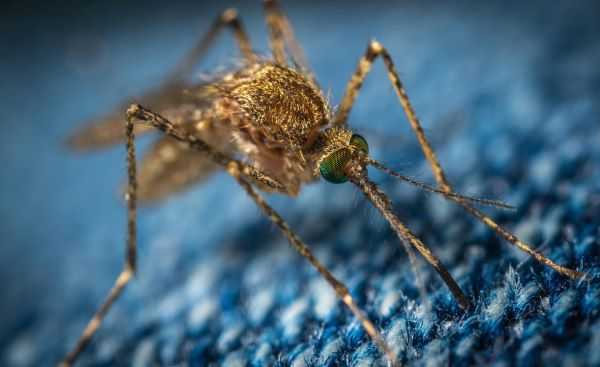
A recent survey commissioned by the Abbott Pandemic Defense Coalition reveals that 61% of infectious disease professionals believe mosquito-borne pathogens pose the greatest threat as climate change intensifies. This growing concern centers on viruses such as dengue fever, Zika virus, West Nile virus, and malaria. These viruses are spread by mosquitoes and are endemic to Latin America, Africa, and other regions. As global temperatures rise and extreme weather events such as flooding become more frequent, experts predict that the range of these mosquito-borne diseases will expand, pushing the insects into expanded areas and prolonging their presence in endemic regions. Climate change’s growing impact on disease transmission The survey sheds light on alarming predictions that Zika could affect 1.3 billion people by 2050. In addition, 61% of the world’s population could be at risk of dengue fever by 2080. As Jorge Osorio, DVM, PhD, MS, professor and director of the Global Health Institute...
🔒 Premium Content - For Free
Unlock this content by becoming a Global Health Press subscriber. Join for exclusive articles, expert research, and valuable insights!