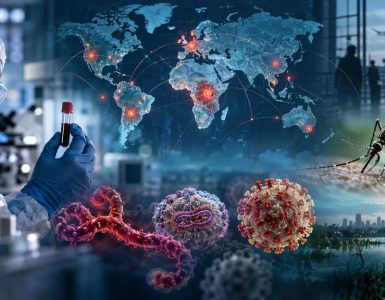

Zoonotic pathogens, disease-causing agents transmitted from animals to humans, pose a critical and often overlooked threat to public health, particularly through the food chain. The recent COVID-19 pandemic has underscored the interconnectedness of human, animal, and environmental health, highlighting the urgent need for preventive measures. In India, the situation is further complicated by rapid population growth, increasing demand for animal-derived foods, and traditional animal farming practices. Despite significant national programs like Swachh Bharat Mission and WASH (Water, Sanitation, and Hygiene), foodborne zoonotic infections remain prevalent, especially in rural and underserved regions. Major pathogens and their impact on public health India faces a significant burden of zoonotic pathogens, both bacterial and viral. Bacterial pathogens such as Salmonella, Campylobacter, and Escherichia coli thrive in food-producing animals like poultry, cattle, and swine. These pathogens can enter the human food chain through improper slaughtering, inadequate food processing, and contaminated water. Viral infections, including Nipah virus, Hepatitis...
🔒 Premium Content - For Free
Unlock this content by becoming a Global Health Press subscriber. Join for exclusive articles, expert research, and valuable insights!