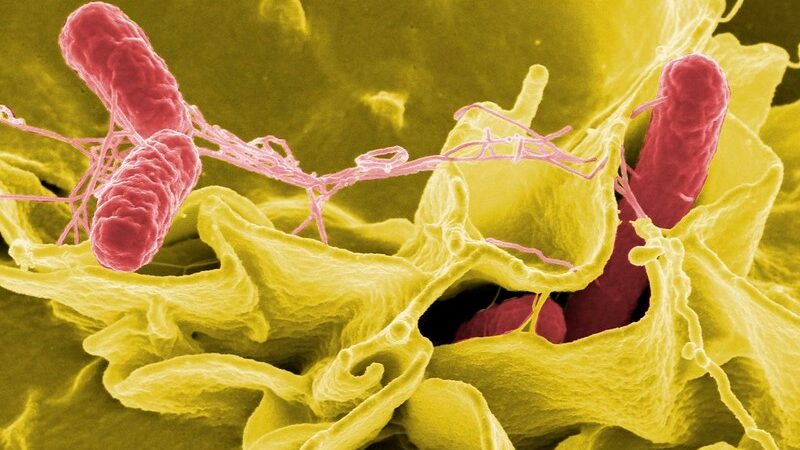
Dr Malick Gibani explains how a human challenge study for non-typhoidal Salmonella can support vaccine development and protect vulnerable populations. Salmonella infection (salmonellosis) is a common disease caused by most types of Salmonella, hardy bacteria that live in the intestines of humans and animals. The types of Salmonella which cause salmonellosis are sometimes referred to as ‘non-typhoidal’ to distinguish them from other strains which cause typhoid fever. Salmonella infection is generally spread through the consumption of contaminated food, often from animal sources, such as eggs, meat and milk. Most people experience mild symptoms such as a fever, abdominal pain, diarrhoea and nausea, and recover over the course of a few days. Global impact However, Salmonella infection can sometimes be life-threatening. Certain strains of Salmonella bacteria found in sub-Saharan Africa are invasive, meaning that they can enter the bloodstream and spread through the body. This can result in serious complications, most commonly septicaemia, anaemia and...
🔒 Premium Content - For Free
Unlock this content by becoming a Global Health Press subscriber. Join for exclusive articles, expert research, and valuable insights!