
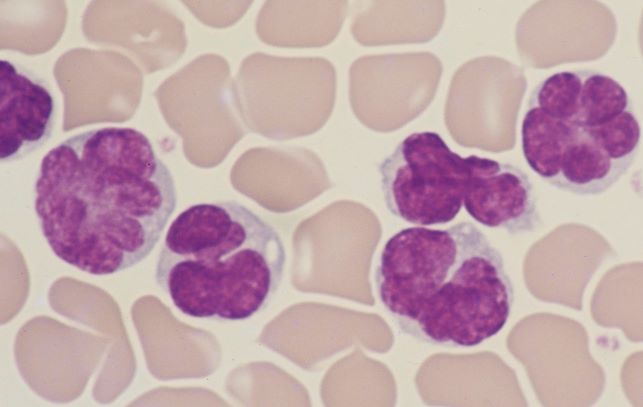
An international team have mapped how the HTLV-1 virus causes a rare leukaemia in some people, providing clues on how to stop it happening. The team, led by Imperial College London and Kumamoto University in Japan, used single-cell analysis to show how the virus over-activates T-cells, key immune cells in our blood, causing them to turn cancerous. The rare cancer, called adult T-cell leukaemia/lymphoma (ATL), develops in around five per cent of people infected with the HTLV-1 virus, but only several decades after initial infection. HTLV-1 infects T-cells specifically and transforms them into leukaemia cells, but the time lag has made it extremely difficult to determine how this transformation occurs. ATL can progress slowly or aggressively, but there is no standard treatment for high-grade ATL, and the condition has a high relapse rate after treatment with chemotherapy and antiviral drugs. The team’s results, published today in The Journal of Clinical Investigation, reveal that the...
🔒 Premium Content - For Free
Unlock this content by becoming a Global Health Press subscriber. Join for exclusive articles, expert research, and valuable insights!