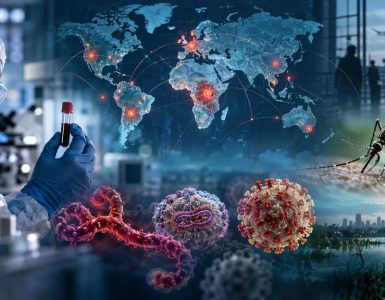
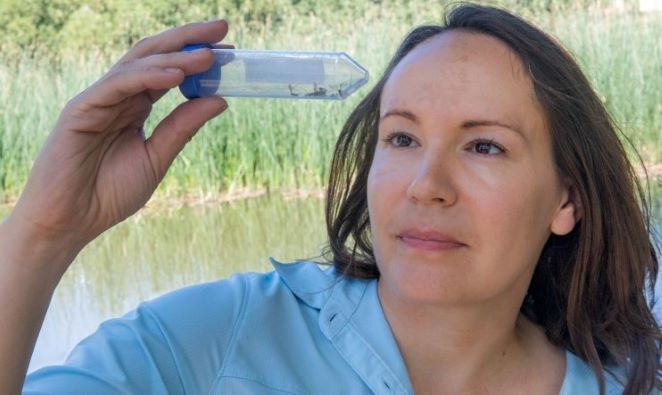
Zoonotic diseases—caused by germs that spread between animals and people—are common. According to the Centers for Disease Control and Prevention, three of every four new or emerging infectious diseases in people come from animals—for example, scientists believe the coronavirus SARS-CoV-2, which causes COVID-19, originated in bats, as did the coronaviruses behind MERS and SARS. Having the capability to rapidly detect and understand emerging pathogens is critical to developing new vaccines and other countermeasures. In the first year of the Scialog: Mitigating Zoonotic Threats initiative the Research Corporation for Science Advancement (RCSA) and the U.S. Department of Agriculture (USDA) have awarded a total of $1.25 million to 20 early-career scientists from throughout the country, including associate professor Crystal Hepp of Northern Arizona University’s School of Informatics, Computing, and Cyber Systems, and assistant professor Jason Ladner of NAU’s Department of Biological Sciences. Scialog—which is short for “science + dialog”—supports research by stimulating intensive interdisciplinary conversation and...
🔒 Premium Content - For Free
Unlock this content by becoming a Global Health Press subscriber. Join for exclusive articles, expert research, and valuable insights!