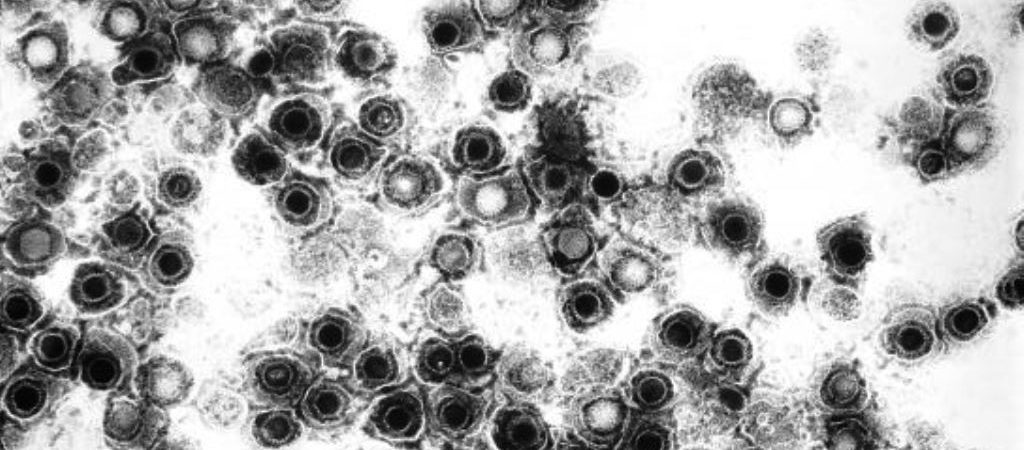
A herpes simplex virus (HSV) infection lasts for life. No vaccination can prevent it, and no treatment can fully eradicate it. The problem for doctors is that, most of the time, herpes lies dormant in nerve cells and becomes treatable only during unpredictable periods of activity. Now, researchers — many from Cornell University’s Baker Institute for Animal Health, in Ithaca, NY — may have discovered what allows the genes in HSV to sometimes turn on. The researchers have found that herpes’ viral DNA sometimes escapes suppressive protein wrappings in nerve cells and becomes reactivated. Luis M. Schang, Ph.D., the senior author of the summary of these findings, explains that herpes’ on-again-off-again nature is “why antivirals cannot cure the infection and why, so far, it’s been impossible to develop a vaccine.” He points out that “Latency and reactivation are a major focus for herpes virus research.” The team’s findings may provide the key to more successful...
🔒 Premium Content - For Free
Unlock this content by becoming a Global Health Press subscriber. Join for exclusive articles, expert research, and valuable insights!