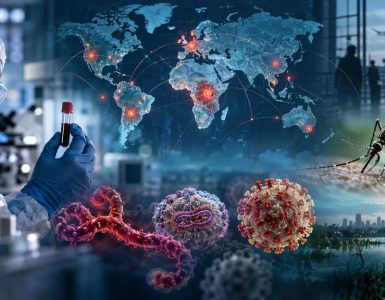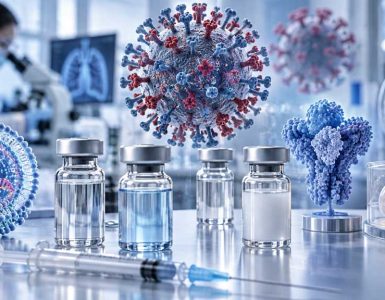
Infectious diseases are a problem everywhere — but more so in the world’s poorer countries. Every year, malaria, HIV and tuberculosis (TB) kill over 2.8 million people, and more than 1.7 billion people require treatment for at least one neglected tropical disease (NTD). In addition, epidemic-prone infectious diseases such as COVID-19 and Ebola can claim thousands to millions of lives before control and preventive measures can be effective. Low-income and middle-income countries (LMICs) bear a disproportionately high burden of these infectious diseases, when compared with wealthier countries. This is due to a combination of factors, including poor sanitation, limited access to healthcare, inadequate vaccination coverage, presence of specific vectors, poverty and malnutrition. Infectious disease: a global-scale challenge While progress has been made, the COVID-19 pandemic saw health services everywhere stretched to capacity, affecting the delivery of infectious diseases control programmes. Infectious diseases can have dire consequences for at-risk populations in LMICs, where health inequity...
🔒 Premium Content - For Free
Unlock this content by becoming a Global Health Press subscriber. Join for exclusive articles, expert research, and valuable insights!